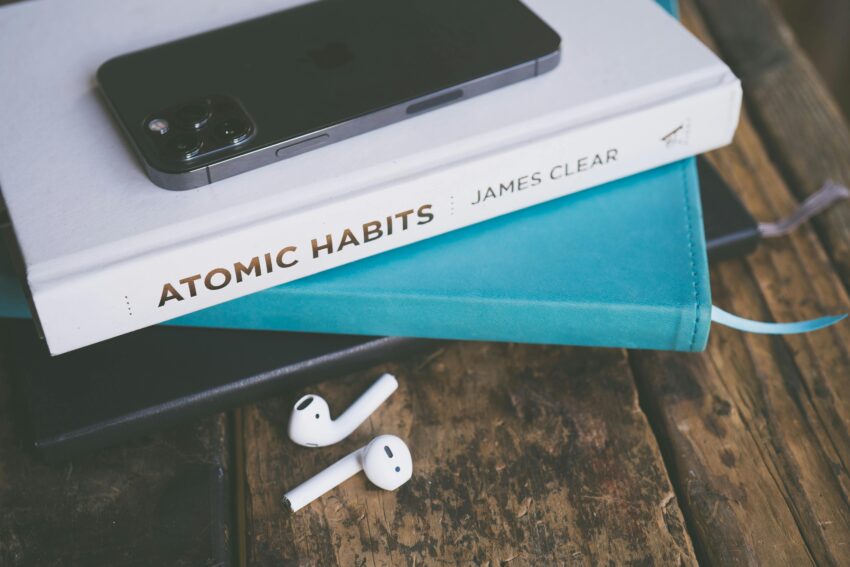
Most teenagers are assigned books in school that were written 100 years ago. While some of those are great, they don’t always help you navigate a world of AI, global business, and digital systems. If you want to build a digital brain that is sharper than 99% of people your age, these are the best…

Self improvement
What is the Feynman Technique and how can we use it daily?
Have you ever studied for a math or biology test, felt like you knew everything, and then realised during the exam that you couldn’t actually explain how a concept worked? That’s called the Illusion of Competence. You recognise the words, but you don’t own the idea. Richard Feynman, a Nobel Prize-winning physicist, had a system…
The Lindy Effect: Why Old Ideas Beat New Ones
The Lindy Effect explains a surprisingly powerful idea: sometimes, the older something is, the more likely it is to remain relevant in the future. Imagine you are in a library. You see two books: Which one is more likely to still be relevant and useful 50 years from now? Most people would say the new…
3 books that made me smarter (and less bored)
Boredom isn’t about having nothing to do. It’s about having nothing interesting to think about. Most people try to fix boredom by scrolling on TikTok for three hours. The problem? That just makes your brain “noisier,” not smarter. Last year, I decided to try a different system: I started reading books that felt like “operating…
Systems > Goals
Every year, millions of people set the same goals: “I want to get fit,” “I want to get better grades,” or “I want to start a famous blog.” But here’s the problem: Winners and losers often have the exact same goals. Every athlete in the Olympics wants the gold medal. Every student wants the A….
What is inverse thinking?
Most people spend their lives asking, “How can I succeed?” They make lists of goals, buy planners, and try to find the “perfect” morning routine. But there is a much faster way to get what you want, and it’s used by some of the smartest people in the world (like billionaire Charlie Munger and mathematician…
How to use first principles thinking in your life
Understanding first, second, and third order effects Most of the time, we make decisions based on habits, what other people do, or what feels easiest in the moment. But there is a way of thinking that helps you make smarter, long-term decisions. It is called first principles thinking. Another useful mental model is the Lindy…
Tech tools every teen needs to become productive (no fluff)
School, hobbies, side projects, and social life can get overwhelming fast and if you don’t want to be a complete mess again this school year, here is a list of the tools that actually work – used by top students, creators, and young entrepreneurs. Whether you’re studying, planning your week, or starting your own thing,…
What’s the 80/20 principle for teenagers?
If you ever feel like you’re studying for hours and still getting average results… this is for you. What if I told you that 80% of your results come from just 20% of your efforts? That’s the 80/20 Principle. And once you understand it, it can change how you study, how you spend your time,…